
Are you barely treading water in a sea of debt, unable to find the surface? If your monthly payments are piling up, and your budget is stretched thin, you should know two things – you’re not alone, and there is a way out. From understanding your debt situation to crafting a plan of attacking those bills, you can find financial freedom with some work and some time.

Understanding Your Debt: Build A Roadmap
The first step to conquering your debt is to…well, know your debt. You need a clear view of the situation. Start by listing all of your debts on a piece of paper or in a spreadsheet. This includes who you owe, how much you owe, the interest rate (and how it’s compounded), and the minimum monthly payment. Include everything, from credit cards to student loan payments to your mortgage if you have one.
Also, consider the rest of your financial situation. What assets do you have? What’s your current credit score? Where do you stand in other areas of personal finance – your savings, your investments, your retirement fund? You need a clear, all-inclusive picture of your financial health to make the best plan for yourself.
You should also consider who you are as a person. Are you disciplined and analytical? Do you have trauma around money? The approach that might work for one person may not work for another. Understanding who you are will help you cultivate the right approach.
Build A Budget
Now, you need to build a budget (I know, big surprise that I’m saying that, right?). Write down your income, your fixed expenses like rent and utilities, and budget for other expenses like gas, groceries, and entertainment. Do this in pencil – you’ll be making a lot of changes. For your savings category, write in any crucial savings – 401K, emergency fund – but leave the rest blank. Under debt, right now, just write in your minimum payments.
Cut Your Expenses
Now we reach the painful part. Look at that budget and see where you can cut expenses. Can you cancel some streaming services? Can you use public transportation to get to work instead of driving? Try renegotiating bills, packing your lunch for work, and even consider changing insurance companies for your car and home insurance. Every dollar that you can put back in your budget helps – and yes, that may mean eating out less, or not going to concerts this summer.
Increase Your Income
You can only cut expenses so much. Next, consider how you can increase the money that’s coming in. First, go to Glassdoor and check to see if you’re being paid a fair market wage at your job for your area. Many times, people are underpaid. If you’re one of them, take that number and a brag file of your contributions at work, and schedule a time to sit down with your boss and ask for a raise. It may not get you out of the hole completely, but it will help and it’s a long-term solution.
Next, look around your house. Many of us tend to collect things, make impulse purchases, and clutter our living space with things we don’t need. Go through your home. Pull out all of those old clothes you don’t wear anymore (let’s be honest – by the time you fit in your ‘skinny’ jeans again, they’ll be out of style), box up books you’ve already read, and carefully bubble-wrap that awful ceramic snail-shaped pitcher your least-favorite aunt got you for your birthday. Sell anything you can online – people will buy anything.
Consider a side hustle. This can be anything from gigwork like driving for Uber, a part-time job working retail on the weekends, or starting to freelance, using any skills you may have. It may seem exhausting, but working more hours now to get that debt paid off will help you relax later – without the debt hanging over your head.
Back To That Budget
Now, look at that budget again. How much money per month can you put towards your debt? It should be a little painful, but not back-breaking. If you put too much towards it, you’ll come up short on other bills and just end up in a never-ending cycle.
Payoff Plan Strategies
There are a few ways to pay off debt. In most cases, simple tried-and-true strategies are enough, especially with a good budget backing you up. The two most common approaches are the debt snowball and the debt avalanche.
Debt Snowball
The debt snowball is great for people who really need small, fast wins, and early successes to stay motivated. List your debts from smallest balance to largest balance. Every month, make minimum payments on all your debt, then put all the remaining money you’ve allocated towards the smallest balance until it’s paid off.
When the first balance is paid off, take the money you were paying on that, and roll it into the next smallest balance – repeat this until you’re debt free. Celebrate each debt when you clear it – do something fun (but inexpensive!) because you deserve to acknowledge the accomplishments.
Debt Avalanche
The debt avalanche is better for analytical types who will feel more satisfaction from knowing they’re saving on interest. In this case, order your list of debts from highest interest rate to lowest interest rate, then follow the snowball model – after minimum payments, the remaining money goes towards paying off the debt with the highest interest rate first.
You’ll pay less interest in the long run by doing this, but you may not see a win quite as fast, depending on your balances, so be sure that you can stick to this plan.
Debt Consolidation
If you have a lot of different debts, or a lot of debts with high interest rates, but good credit otherwise, you may want to consider a debt consolidation loan. This isn’t for everyone – it’s very easy to get tied down with an unfavorable interest rate – but it does offer the chance to save a bit of money and simplify your life with a single debt payment. If you go this route, do it yourself, don’t pay someone else your hard-earned cash to do the work for you.
Negotiating
You can also reach out to your creditors about your debt. Sometimes, by explaining your situation, you can either get a short moratorium on payments to give you the chance to catch up, or even arrange to pay a lump-sum now and have the rest of the debt discharged. It’s worth a shot – they can’t give you more debt as punishment for asking!
Staying Motivated
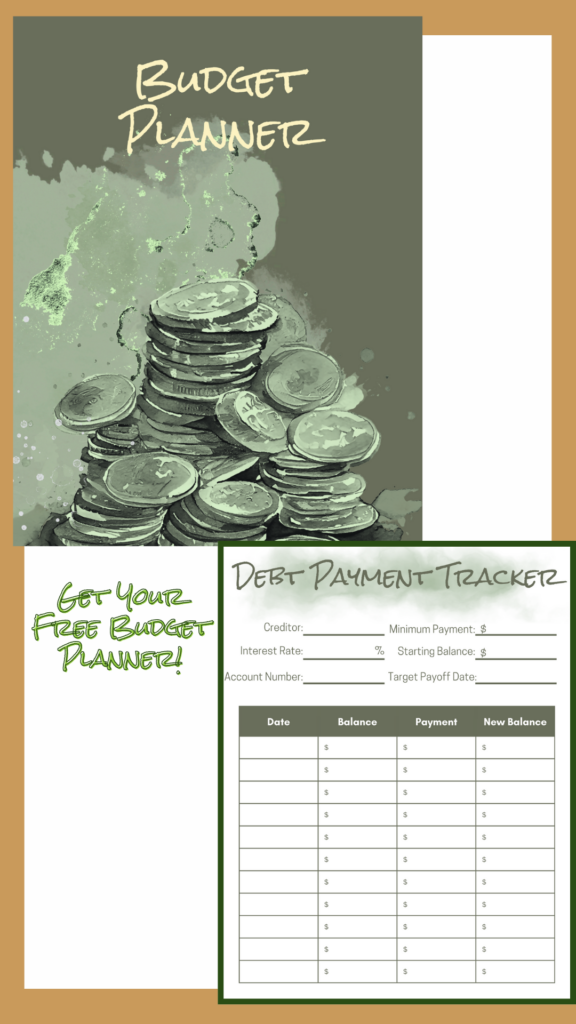
Paying off debt is not glamorous, so it can be hard to stay motivated. Set yourself a reward system – maybe a small treat for each debt paid off, with a bigger reward when you’ve cleared a category of debt or a certain amount. Consider tracking your progress – color in a thermometer printout on your fridge so you can see as you creep closer to the goal. And find support – join a debt coaching group, make a pact with friends. Having people cheer you on can do wonders for your mental state.
When you slip up, remind yourself that it’s normal. Things come up, plans change, people make mistakes. Instead of beating yourself up or giving up, just focus on getting back on track. Paying off debt takes perseverance but it’s possible.
Your Last Resort
In some extreme cases, you may just be buried under a pile of debt that, even with a budget and a second job, you can’t escape. If that’s the case, you can look at bankruptcy and talk to a lawyer – asking the court to discharge your debts and give you a ‘fresh’ slate.
There are benefits – if you have a hundred-grand in credit card debt and a $40k a year job in a high-cost-of-living city, or you’re stuck under the Mount Everest of medical debt, this gives you a chance to clear it in one big push. But there are a lot of downsides as well.
Some debt isn’t eligible for bankruptcy – if your biggest balance is your student loans, for example, bankruptcy won’t help. Bankruptcy also isn’t cheap – there are lawyer fees and court fees, and often you have to prove you’ve done what you can, which may mean selling off assets. And there are long-term repercussions. Filing for bankruptcy is going to tank your credit score – for the next seven years. You’ll have a hard time getting loans or a mortgage, possibly getting approved for a new apartment, and in some cases, even getting a new job. That’s right, some jobs check your credit score and will see bankruptcy as a red flag! So, remember, this is a nuclear option. Make sure you have no other options.